

studio interview_Alix Vernet
"I had a conversation with a writer recently and she said art and graffiti are different because you can’t win art but you can win graffiti if you’re prolific enough."

During the Summer, Alix utilized Studio #4 to develop a new body of work presented in early October at Market Gallery, New York City. The following conversation traces how graffiti and archaeology inform her process and her longstanding interest in public space.
27SEPTEMBER2025
this conversation has been edited and condensed for clarity
What is your process?
Alix Vernet (AV): Each project is different, many times they start from encounters I have in public space. I find I often start by working from sites that I move through frequently and take on this mythic quality to me. Sometimes it’s tied to a personal memory, like revisiting a place I’ve known for years with the case of Market Gallery’s rooftop, and other times it’s more external and involves digging into the history of a place & talking to people connected to it, yet in the process figuring out something about myself. It’s as much an internal excavation process as it is an external one.
Can you speak more about how your process resembles an archaeological approach, and how it could shape your presentation?
AV: When I speak with archaeologists, their goals are rooted in trying to trace material histories to understand these vast circumstances of a given time where a lot of information is now lost or missing– like tracing the specific mineral that is in a clay pot to be able to map trade routes from 6,000 years ago. There’s an element of that in my practice, but with the work at Market I was more interested in applying that to the current moment, creating a brief archaeology for a smaller moment– that maybe encourages people to appreciate something while it’s still here.
The juxtaposition between material and written word is so interesting to me. Can you talk a bit about how you choose these words in your work and what they relate to?
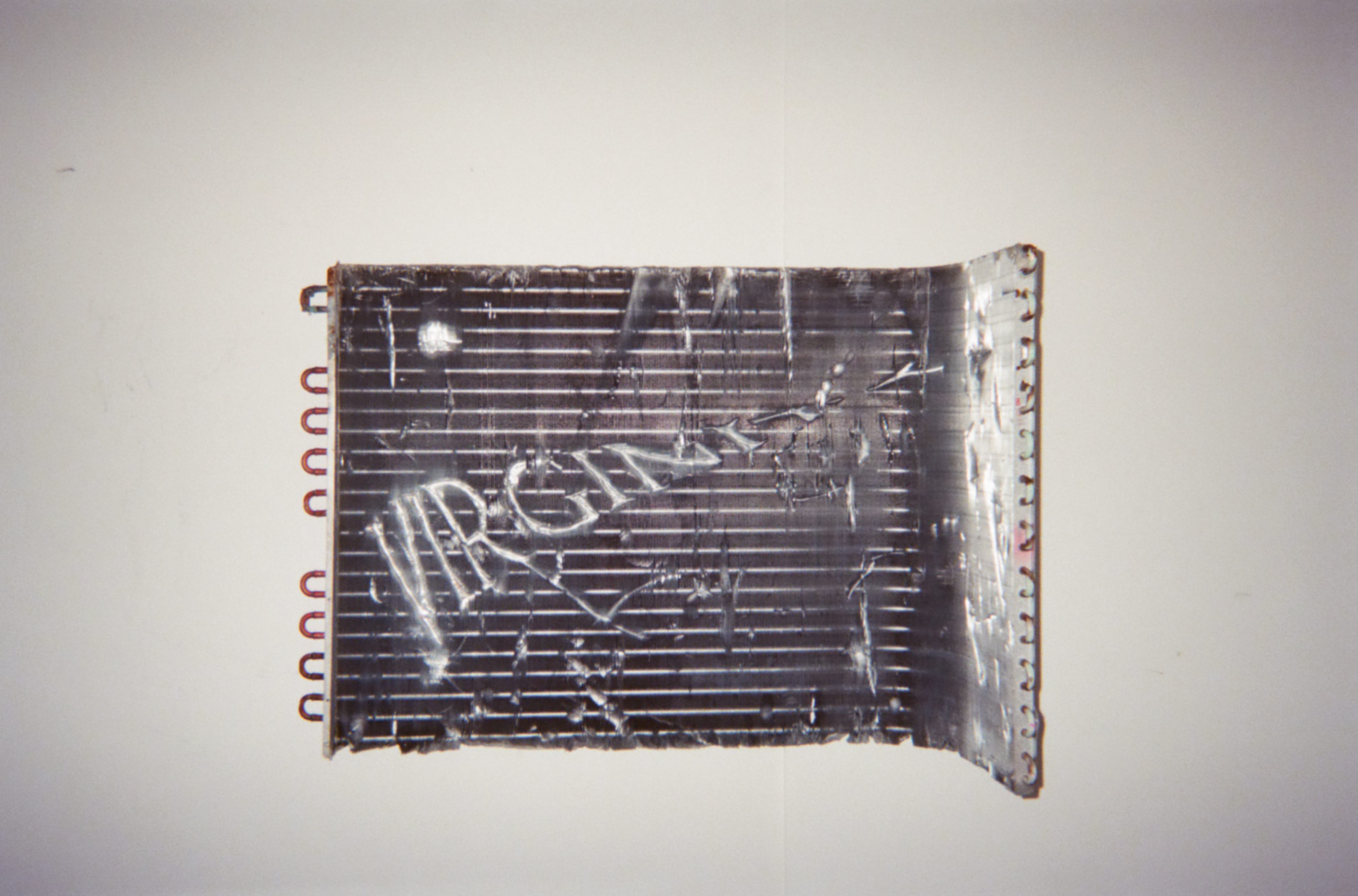
AV: In my early ceramic works, I started by pressing clay into words already carved into civic buildings. I’d re-compose them from various fragments, letting each word carry its own weight and meaning. Sometimes I’d find a single word that felt huge in scope, like “people,” and it just opened up everything else. Later, I started listening to the city itself, phrases people would say in passing, unexpected little statements that felt poetic or revealing. For example, once a woman walking by told me, “I’m turning into an angel. Can you leave?”—and I just wrote it down.
What is your relationship with urban and graffiti culture?
AV: I had a conversation with a writer recently and she said art and graffiti are different because you can’t win art but you can win graffiti if you’re prolific enough. I like how tags are an index of somewhere a person has moved through. My work thus far is almost the opposite because I’ll make an impression but no one knows I was there– or see it, it’s like I’m a ghost. Early experiences wheatpasting in New York are a big part of why I developed the approach I did, and the show at Market was more specifically looking to that connection. For EDEN, I made my first public mural, which was an interesting reversal, because, when the show ended, like every person who has painted there previously, I had to just let it go, and it made me understand that a lot of my work so far has been more about holding on than trying to let go and I’m curious how that might change in the future.
Could you tell us about the work presented at Market Gallery?
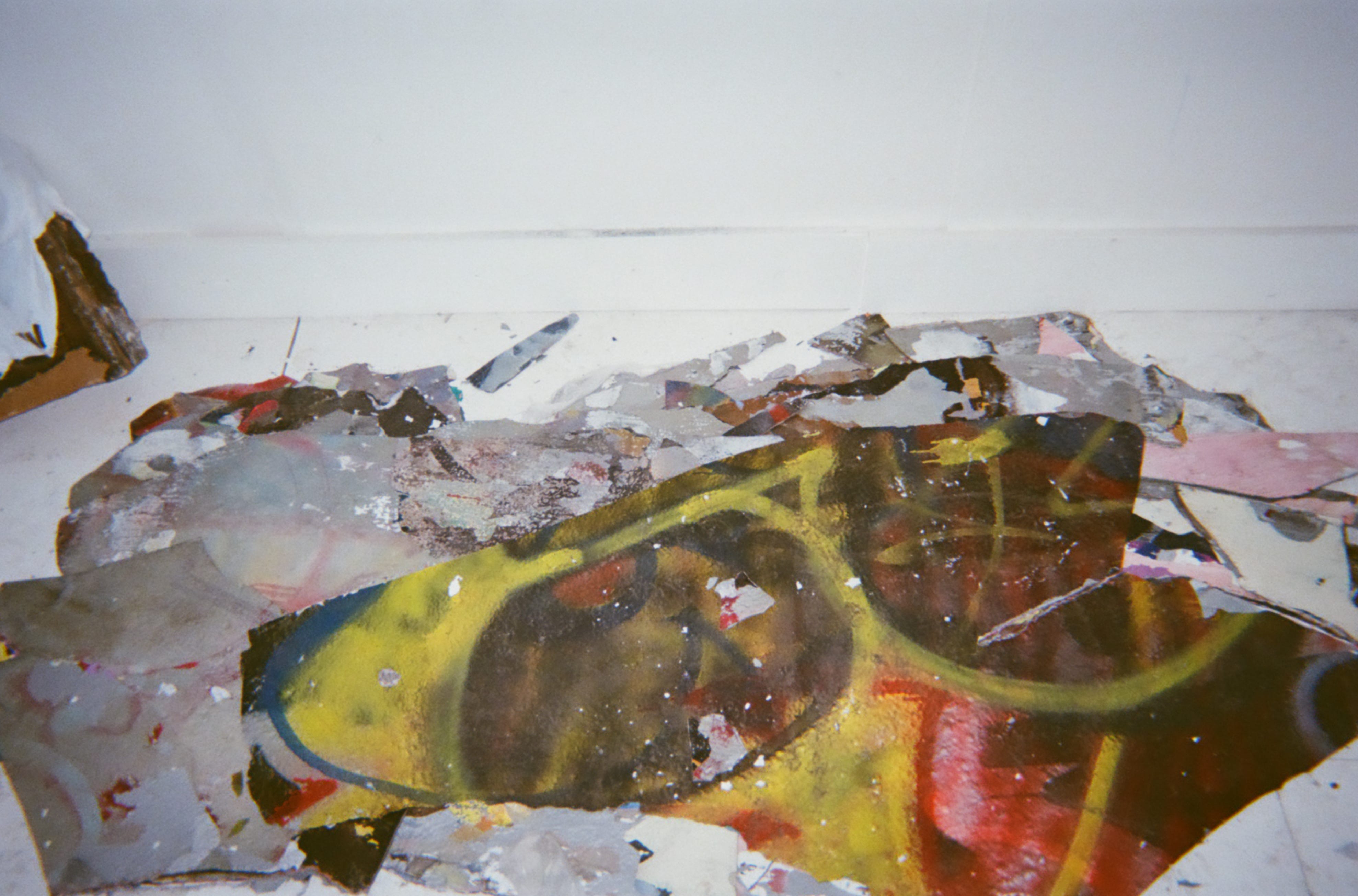
AV: This new body of work includes my first mural and three new sculptures created using a technique called strappo, originally developed during the Renaissance to preserve Church frescoes by carefully lifting layers of paint from walls. I adapted this method to lift paint from the rooftop floor where the space is located, allowing me to capture traces of the surface and transform them into sculptural objects. That work felt more about preserving these ephemeral marks that span the decade from when I first came to the roof as a teen. A friend visiting the show said they felt the installation felt like a mini cathedral, or shrine for the rooftop itself which I thought was funny because I’m always thinking of that tension between devotion and destruction, preservation and vandalism.
What is a question you wish you were asked in this interview? We will pass your question onto the next artist in the studio.
AV: Hmm… I don’t usually come into interviews with a specific question I’m dying to answer. But one I always love asking other artists is: how do you know when a piece is finished? It’s fascinating to hear how different people define that, some wait for a deadline, some feel it intuitively, some revisit it endlessly. I think it reveals so much about their process, their relationship to the work, and even to the world around them.
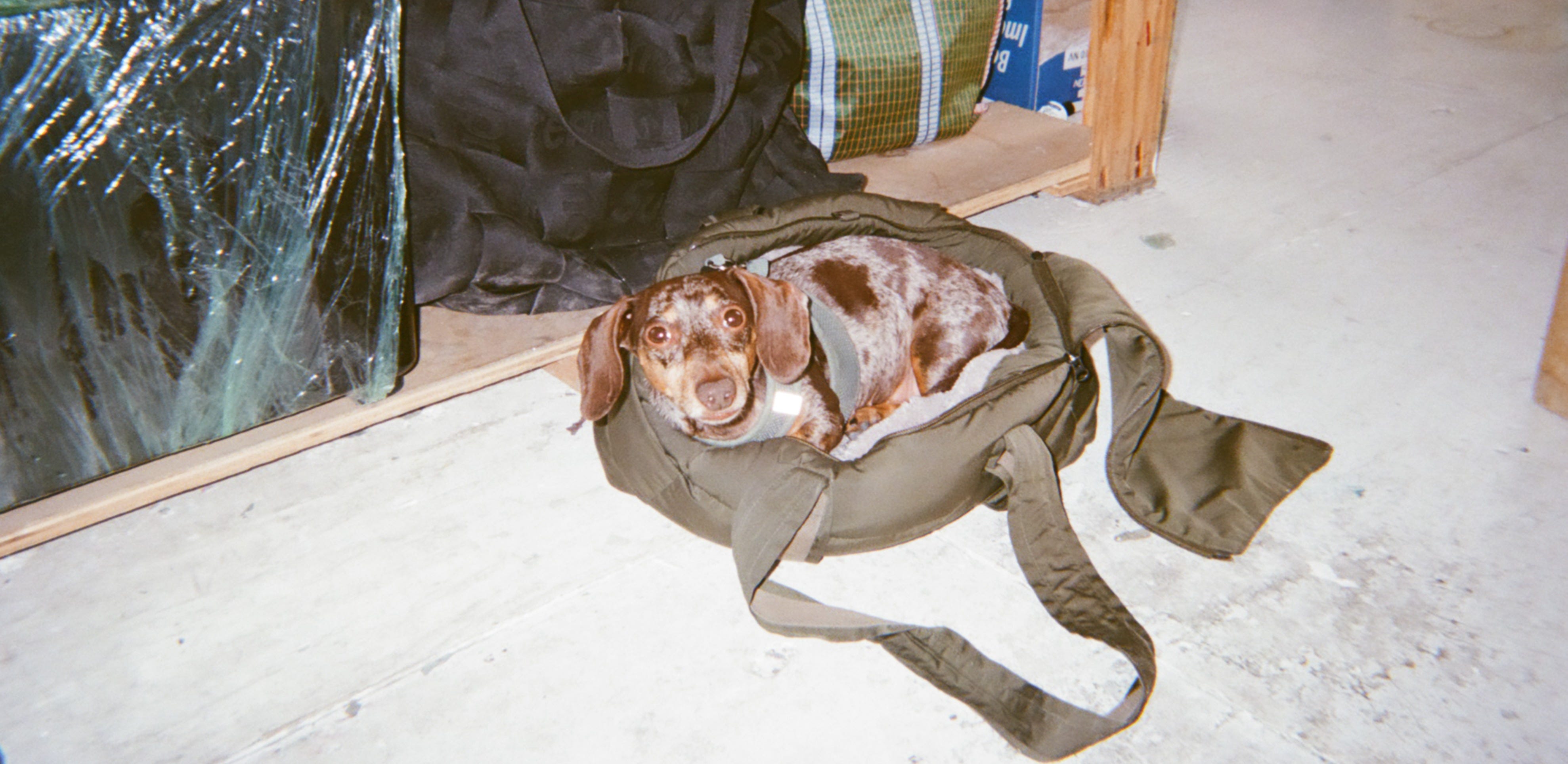
*All images are of Alix Vernet’s studio at 99 Canal, captured by the artist, September 2025
A recent graduate of Yale MFA 2025 Sculpture Program, Alix Vernet’s practice investigates the rituals, disappearances, and apparitions contained in the material life of buildings. Through guerrilla fieldwork, ceramic sculpture, and photography, her projects involve long-term collaborations with both official and unofficial custodians of public life, including maintenance workers, museum conservators, pedestrians, and neighbors.
EDEN was on view from Oct 9th through Nov 5 at Market Gallery.
https://www.alixvernet.com/
Studio Program | 99 Canal
Our Studio Program facilitates four private, professional studios (350–800 sq ft), offered to artists of all disciplines through one to three month residencies on a rotating basis. We’ve found that individuals developing personal projects in New York, engaging with our neighborhood, and proposing initiatives for our public programs tend to gain the most from the residency. During their time at 99 Canal, artists are invited to take part in community-driven activities such as our ‘in conversation’ series, studio lunches, and open studios.
Beyond our bi-annual Open Call (next Cycle opens January 2026), individuals are invited to apply for a subsidized studio by sending us an email: hello@99canal.net